Humanistic, Experiential, Systemic Therapies

Virginia Satir
Satir Process Systemic Therapy
Our clinic incorporates a systemic approach to counseling, recognizing that individuals are shaped by their relationships, family dynamics, life experiences, and broader environments. Rather than viewing emotional and behavioral challenges solely as problems within the individual, we explore how relational patterns, communication styles, family roles, and environmental stressors influence a person’s thoughts, feelings, and behaviors. We recognize that many coping strategies develop in response to earlier experiences and may have once served an important protective purpose, even when they no longer support a person’s well-being. Through this lens, therapy encourages curiosity, understanding, and personal responsibility without blame, helping clients recognize the patterns that influence their lives and identify opportunities for meaningful change.
An important influence within our systemic approach is the Satir Model, developed by Virginia Satir, which emphasizes self-worth, emotional awareness, congruent communication, and the connection between internal experiences and external behaviors. This experiential model recognizes that individuals often develop habitual responses to stress and relational conflict in an effort to maintain connection, protect themselves, or meet perceived expectations. Therapy invites clients to explore the underlying feelings, beliefs, needs, and longings that shape these responses, fostering a deeper understanding of themselves and their relationships. Through emotional exploration, experiential exercises, and increased awareness of relational patterns, clients can develop greater self-acceptance, communicate more authentically, and expand their choices in how they respond to challenging situations.
Our systemic and Satir-informed approach supports clients in developing healthier boundaries, strengthening relationships, and recognizing the distinction between what they can control, what they can influence, and what they must learn to accept. We believe meaningful change occurs when individuals develop greater awareness of their internal experiences while learning to relate to themselves and others with increased compassion, honesty, and flexibility. By understanding the ways past experiences and current relationships shape behavior, clients can move beyond automatic coping patterns and cultivate more intentional, congruent ways of living. Our goal is to help individuals strengthen their sense of self, improve relational connections, and create lives that reflect their values, needs, and authentic experiences.
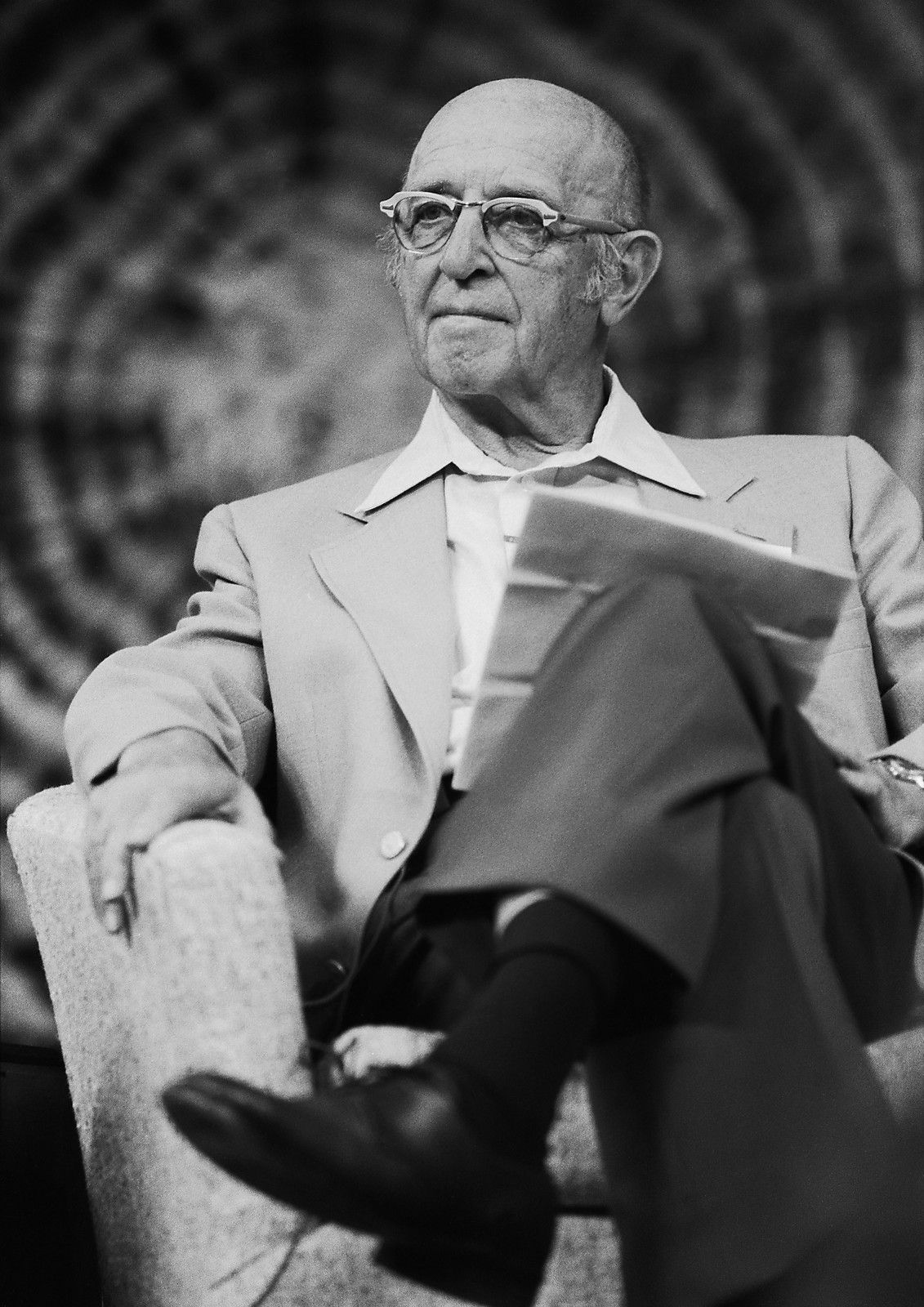
Carl Rogers
Humanistic Theory
Our counseling clinic utilizes a humanistic approach to therapy that emphasizes the inherent worth, dignity, and potential for growth within every individual. We believe that each person has the capacity for self-awareness, healing, and meaningful change when provided with a safe, supportive, and nonjudgmental therapeutic environment. Rather than defining individuals by their symptoms, diagnoses, or past experiences, we seek to understand each person as a whole, recognizing their unique experiences, strengths, values, emotions, and aspirations. Therapy is a collaborative process in which clients are encouraged to explore their inner experiences, develop a deeper understanding of themselves, and move toward greater authenticity and well-being.
Our humanistic approach is grounded in empathy, genuineness, and unconditional positive regard. We strive to create a therapeutic relationship in which clients feel seen, heard, accepted, and respected without fear of judgment. We recognize that meaningful change often begins when individuals feel safe enough to acknowledge their emotions, examine long-standing patterns, and explore parts of themselves that may have been overlooked or misunderstood. Through self-exploration, increased emotional awareness, and a stronger connection to personal values and needs, clients can develop greater self-acceptance, personal responsibility, and confidence in their ability to navigate life’s challenges.
We view clients as active participants in their therapeutic journey rather than passive recipients of treatment. Our role is to walk alongside each individual, offering support, reflection, and therapeutic guidance while honoring their autonomy and readiness for change. We recognize that healing is not a linear process and that growth often involves developing compassion for oneself, making meaning of difficult experiences, and learning to respond to life’s challenges in new ways. Our goal is to help clients cultivate a stronger sense of self, build on their existing strengths, and create lives that feel more intentional, connected, and aligned with who they are.